

Good Stewardship Shouldn't Cost More, and Here's a Case Where It Didn't
How a packaging sourcing decision turned into a reminder that doing the right thing and doing the smart thing are often the same thing.
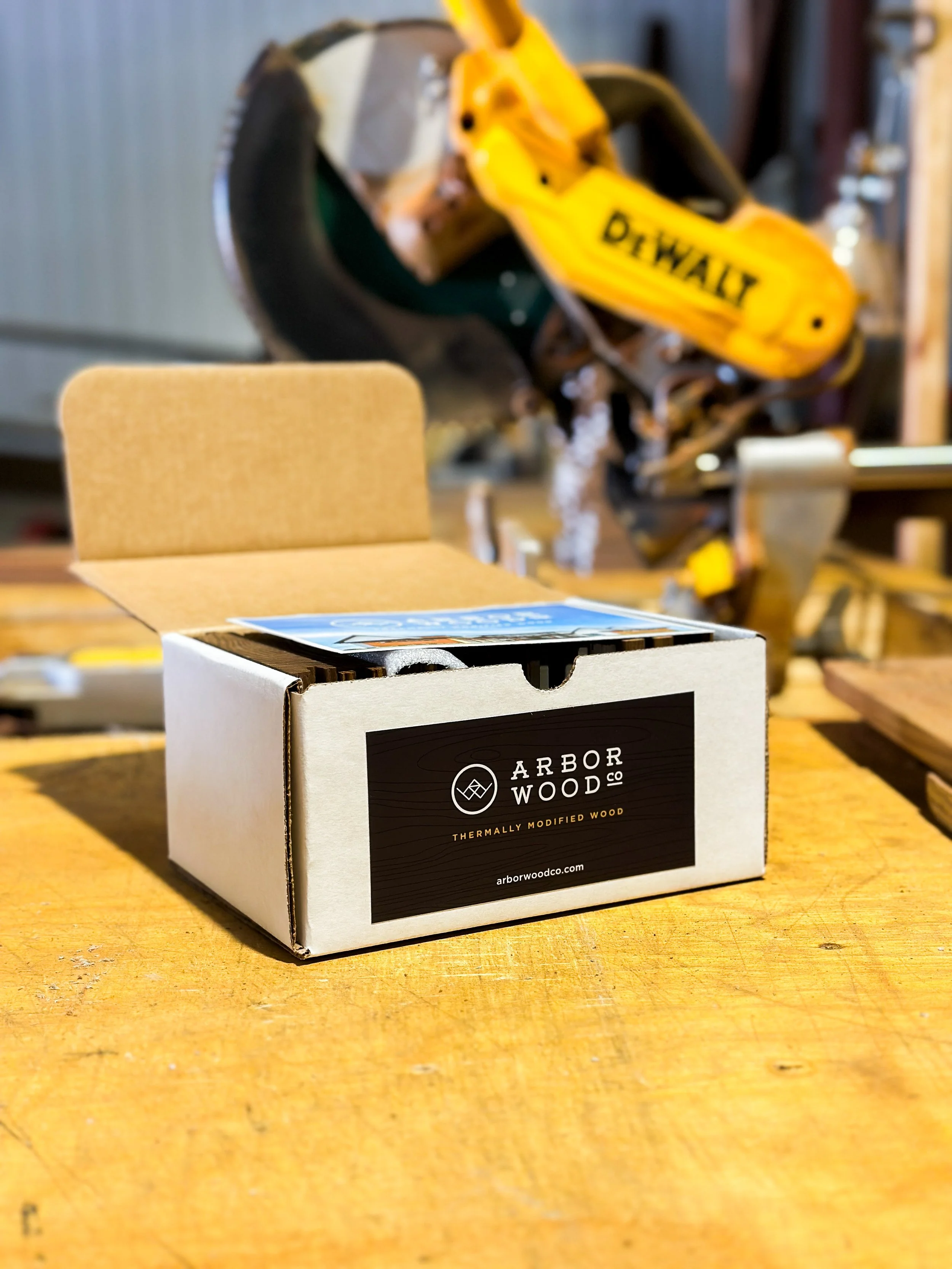
Most people don't think much about the box their order arrives in. It gets opened, set aside, and broken down for recycling before the day is out. We get that. But the decisions a manufacturer makes about its supply chain, even the unglamorous ones, say something about how it actually operates. Packaging is one of those decisions. And when we recently moved to Covington Box & Packaging in Waterloo, Indiana, the story turned out to be worth telling.
The Decision That Looked Simple
We needed a more cost-effective packaging supplier. We evaluated our options. Covington Box came in at a significantly lower cost, about half what we'd been spending and with a facility close enough to our Indiana manufacturing operations to keep logistics straightforward. On paper, it was a straightforward sourcing decision. Better price, good service, nearby location. Done. But then we learned more about how Covington Box actually operates.
The Supplier Behind The Box
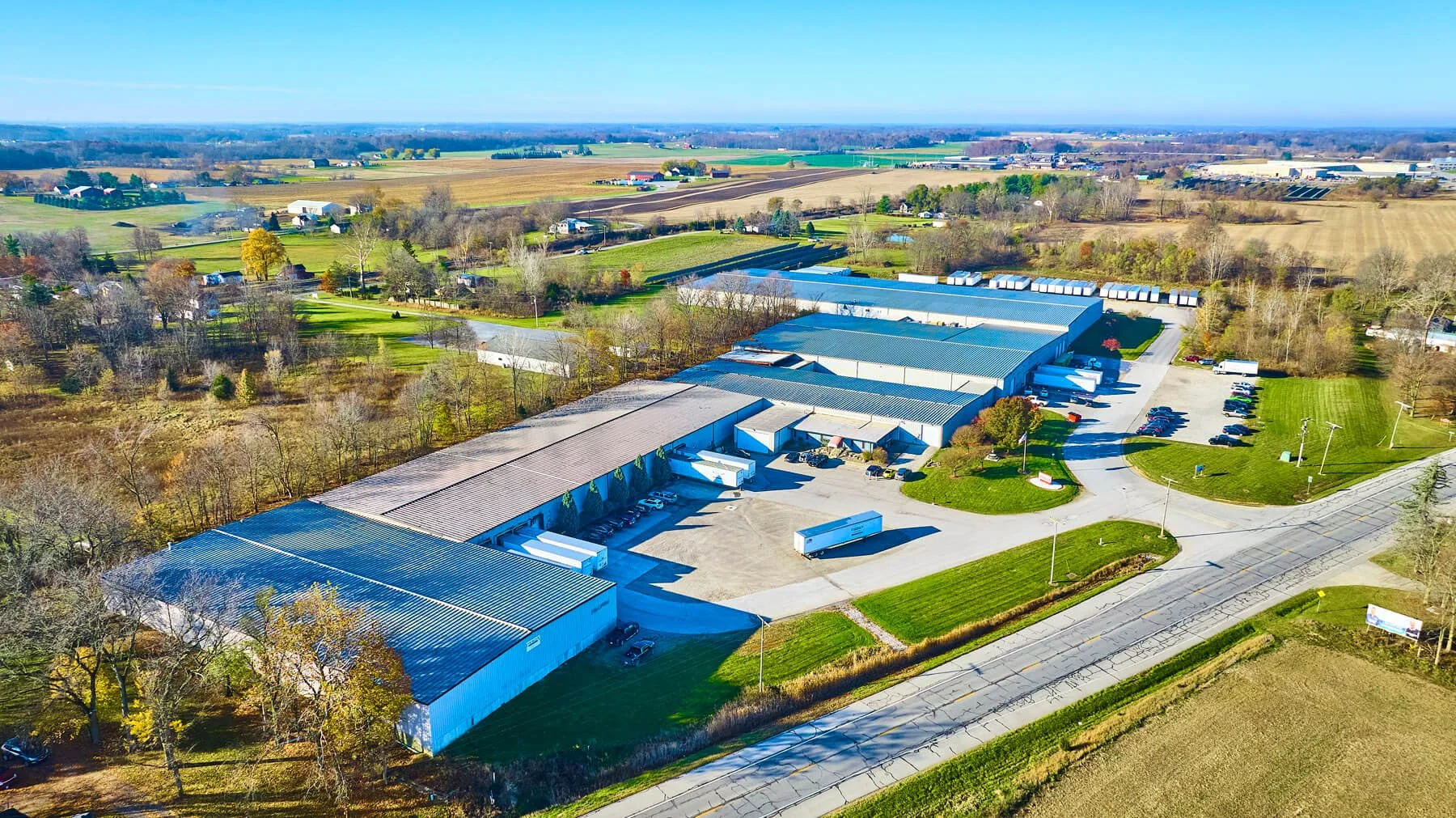
The Covington Box facility in Waterloo runs on 100% solar power. Their solar field covers the full electrical needs of the plant and prevents an estimated 395 tons of CO₂ emissions per year. The corrugated products they make contain about 60% recycled material. These aren't claims they make lightly, the solar infrastructure is real and documented.
The cost and logistics case is what drove our decision but finding out that our new packaging supplier had invested seriously in renewable energy and sustainable operations made the choice even easier. It was the kind of thing that makes you feel better about a decision you'd already made on the numbers.
What This Actually Reflects
One of our core values at Arbor Wood Co. is being stewards of our resources - using time, materials, capital, and energy responsibly, with care for our business and the natural resources we rely on. The practical translation of that value is: plan before you spend, reduce waste in all forms, and balance performance with responsibility.
That last part is the one people sometimes assume involves a tradeoff. That being responsible costs more. That sustainability is the premium option. This decision argues otherwise. We found a supplier whose facility runs on solar power, whose products are made with recycled content, and whose operations reflect a genuine investment in doing things better, and it cost us less than what we were doing before.
Good stewardship and good business aren't in conflict. Sometimes they're exactly the same decision.