

Fire Treated Thermowood®; Proven Performance, Permanent Protection
At Arbor Wood Co., we’ve seen a clear shift in the building industry: fire performance is no longer a “nice to have” — it’s a requirement. Across residential, multifamily, and commercial projects, demand for fire retardant treated wood continues to grow as building codes evolve, wildland-urban interface (WUI) zones expand, and clients prioritize long-term safety and piece of mind.
Today’s architects, contractors, and homeowners aren’t just asking for beautiful, sustainable wood products. They’re asking for verified performance, code compliance, and permanent protection. That’s exactly where Fire Treated Thermowood® stands apart from other options in the market.
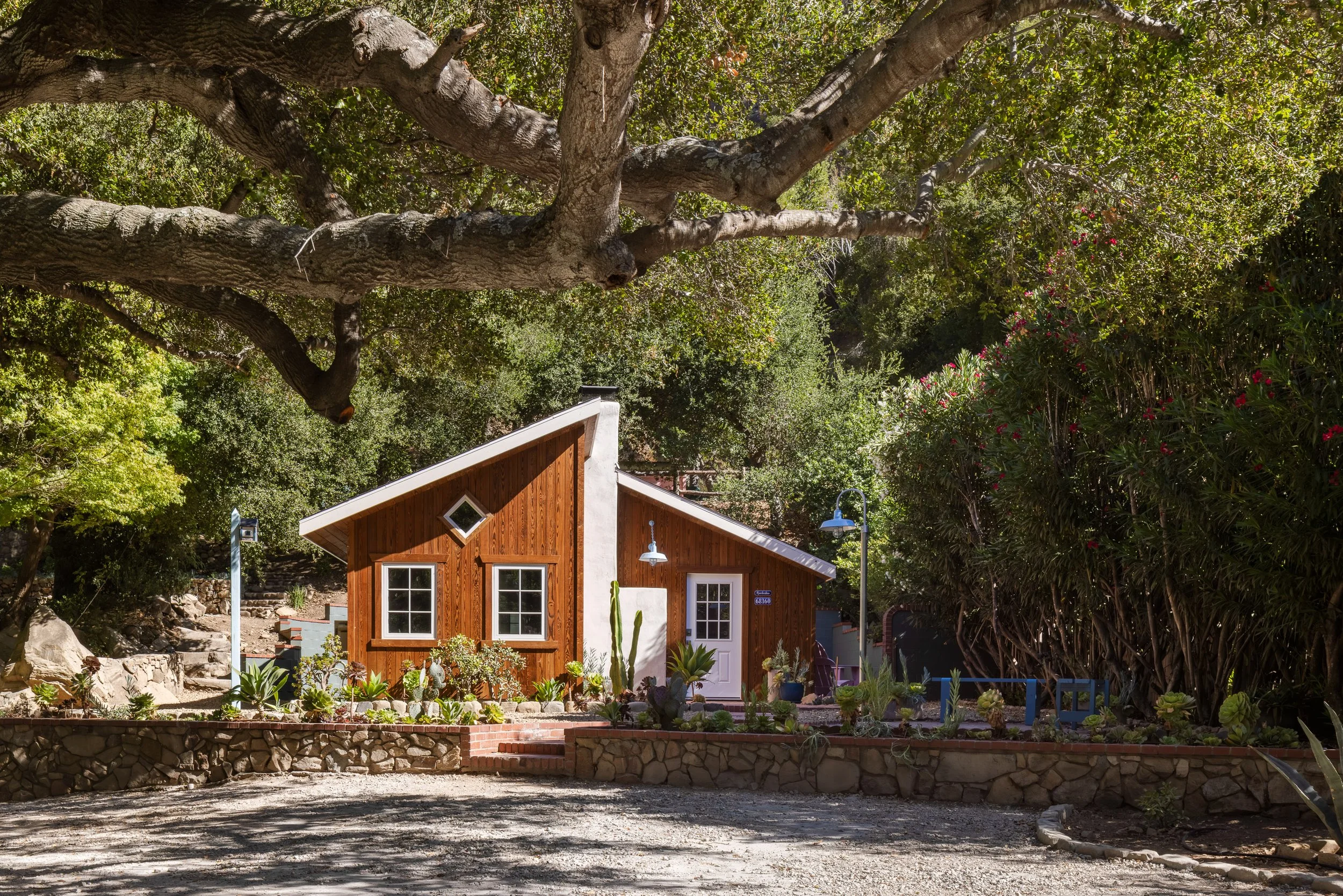
Fjordenhus - View Project
Why Demand for Fire Retardant Treated Wood Is Rising
1. Stricter Building Codes and WUI Regulations
In many regions, fire safety requirements have become more rigorous, especially in WUI-designated areas. Municipalities increasingly require fire-retardant-treated (FRT) materials for exterior cladding, soffits, and decking. Architects need materials that:
Meet flame spread and smoke development standards
Maintain structural integrity under heat
Comply with local and state building codes
Fire retardant treated wood provides the natural aesthetic of wood while achieving the performance standards required for compliance.
2. Increased Focus on Resilience and Risk Mitigation
Wildfires and urban fire events have reshaped how owners think about risk. Insurance carriers are also taking a closer look at material selections, especially in high-risk regions. Fire retardant treated wood helps:
Reduce flame spread
Limit fire propagation across surfaces
Provide critical response time in fire events
For homeowners and developers, this translates to enhanced safety and potentially improved insurability.
3. Sustainability Without Sacrificing Safety
The design community increasingly favors wood for its sustainability, carbon storage, and biophilic appeal. However, traditional untreated wood can pose fire performance challenges. That’s where Thermowood®—a thermally modified wood process—combined with fire retardant treatment creates a high-performance solution. Thermally modified wood offers:
Enhanced dimensional stability
Improved resistance to decay
Reduced moisture absorption
When paired with fire retardant treatment, it becomes a material that supports both environmental goals and fire safety standards.
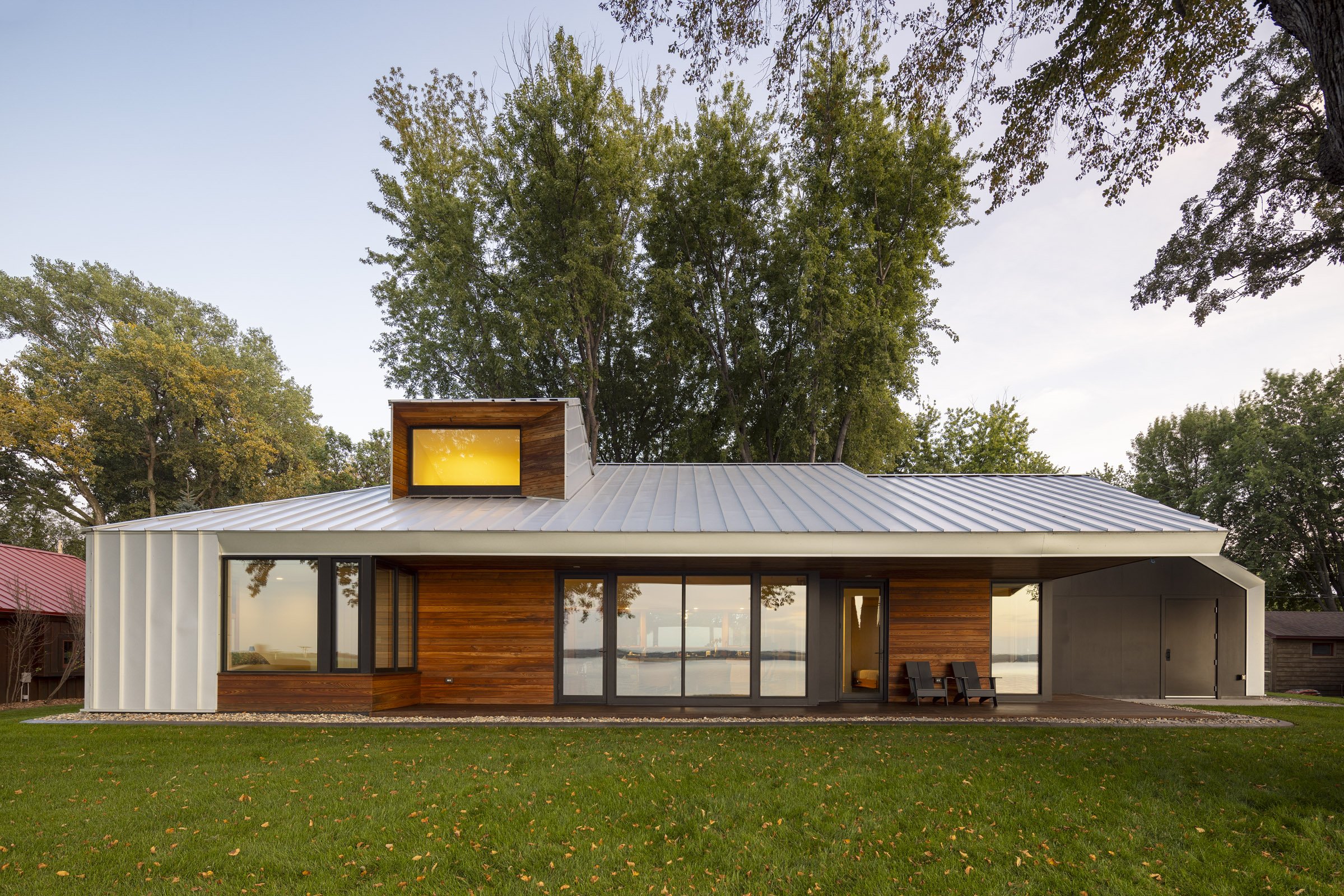
What Makes Fire Treated Thermowood® Different?
At Arbor Wood Co., our Fire Treated Thermowood® with Saferwood Thermex-FR is engineered for one time, permanent, non-leaching protection. Unlike temporary surface coatings, true fire retardant treatment is pressure-impregnated into the wood, providing long-term performance.
Key advantages include:
Proven flame spread reduction
Permanent protection (non-leaching formula)
Compatibility with exterior applications
Retention of natural wood beauty
This combination ensures architects don’t have to compromise design intent to achieve compliance.

Key Considerations for Architects
When specifying fire retardant treated wood, architects should evaluate:
1. Code Classification
Verify flame spread index (FSI) and smoke developed index (SDI) ratings. Confirm that the product meets ASTM E84 or other applicable standards required in your jurisdiction.
2. Exterior vs. Interior Ratings
Not all FRT wood is approved for exterior exposure. Confirm that the treatment is suitable for outdoor conditions and long-term weathering.
3. Compatibility with Finishes
Ensure the fire treatment does not interfere with stains, coatings, or fasteners.
4. Long-Term Performance
Ask whether the treatment is leach-resistant and whether it maintains fire performance after weather exposure.
Key Considerations for Contractors
Contractors should focus on:
Proper handling and storage to maintain treatment integrity
Using compatible fasteners
Following manufacturer cutting and sealing guidelines
Maintaining documentation for inspections and approvals
Working with a trusted supplier simplifies the submittal and approval process.
Key Considerations for Homeowners
For homeowners, the priorities often include:
Peace of mind in fire-prone areas
Insurance compliance
Long-term durability
Preserving the warmth and character of real wood
Fire Treated Thermowood® allows homeowners to enjoy the beauty of natural wood siding, decking, or architectural accents — without sacrificing safety.
Proven Performance. Permanent Protection.
At Arbor Wood Co., we believe performance should never compromise aesthetics — and safety should never be temporary.
Fire Treated Thermowood® represents the evolution of exterior wood: sustainably sourced, thermally enhanced, and permanently fire protected. As fire resilience becomes a defining factor in modern construction, materials that deliver both beauty and compliance are no longer optional — they’re essential.
If you're designing, building, or upgrading in a fire-sensitive region, we’re here to help you specify with confidence.