

The Hydrophobic Nature of Thermally Modified Wood
Wood and water have always had a complicated relationship. While wood is naturally beautiful, strong, and renewable, it is also hygroscopic—meaning it naturally absorbs and releases moisture in response to changes in its surrounding environment. For exterior applications, that relationship with moisture can influence dimensional stability, weathering, maintenance, and long-term performance. Thermal modification changes that relationship.
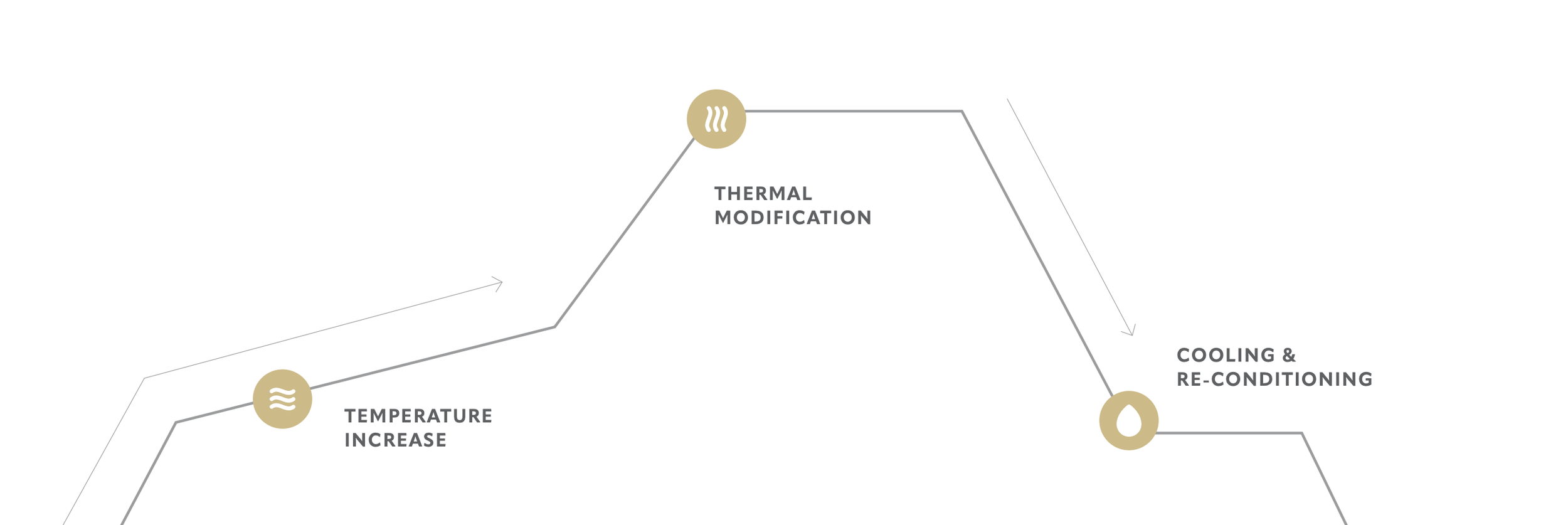
Through a carefully controlled heating process, thermally modified wood (or ThermoWood®) becomes significantly less receptive to moisture. Often described as having a more hydrophobic nature, thermally modified wood absorbs less water than untreated wood, helping it remain more dimensionally stable when exposed to changing environmental conditions like humidity and moisture from weather.
What Makes Thermally Modified Wood More Hydrophobic?
Thermal modification uses elevated temperatures and controlled conditions to alter the chemical structure of wood without adding synthetic preservatives. During the process, some of the wood's hemicellulose components are modified, reducing the number of hydroxyl groups that readily bond with water molecules. This is an important distinction. Untreated wood contains many hydroxyl groups that attract and interact with water. When those groups are altered during thermal modification, the wood has fewer sites available to bind with moisture. The result is wood that is less hygroscopic and less prone to taking on and releasing moisture as environmental conditions change - This movement from moisture is what challenges the performance of non-modified woods.
In simple terms: thermal modification changes the way wood interacts with water.
Less Moisture Movement. More Dimensional Stability.
natural wood naturally expands and contracts as its moisture content changes. This movement is one of the primary considerations when designing with wood outdoors. Because thermally modified wood takes on less moisture from its surroundings, it experiences reduced moisture-related dimensional movement compared with untreated wood. This can help minimize the amount of swelling and shrinking that occurs through seasonal changes, rain events, and fluctuations in relative humidity. For architects and builders, that stability can provide greater predictability when designing exterior cladding, soffits, siding, decking, and other applications where wood is exposed to the elements. It is also one reason thermally modified wood can perform so well in applications where dimensional stability is important.
Hydrophobic Doesn't Mean Waterproof
One important distinction is that thermally modified wood is not waterproof. The term hydrophobic describes a material's reduced tendency to absorb and interact with water. Thermally modified wood can still absorb moisture, particularly when exposed to prolonged wetting, standing water, high humidity, or water entering through end grain and other exposed surfaces. Proper design and installation remain essential. Adequate drainage, ventilation, appropriate detailing, and proper spacing all contribute to the long-term performance of exterior wood. Finishes can also be used when a specific appearance or additional weathering protection is desired.
The benefit of thermal modification is not that wood becomes impervious to water. Rather, the wood becomes less responsive to moisture than it was before modification.
How Hydrophobicity Affects Exterior Performance
The reduced moisture affinity of thermally modified wood has several practical benefits for exterior applications.
Reduced Swelling and Shrinking
Less moisture absorption means less moisture-related dimensional change. This can help thermally modified wood maintain its dimensions through seasonal wet and dry cycles.
Improved Dimensional Stability
Reduced movement can make thermally modified wood particularly well suited for exterior cladding and decking, where repeated exposure to changing weather conditions can place demands on the material.
Reduced Moisture-Related Stress
When wood repeatedly absorbs and releases moisture, the resulting dimensional movement can contribute to checking, cracking, and other natural characteristics of wood. Thermal modification can reduce the magnitude of these moisture-related movements, although it does not eliminate natural wood movement or weathering.
Greater Predictability in Exterior (and Interior) Applications
For architects and builders, material predictability matters. A wood product that is less sensitive to fluctuations in environmental moisture can provide greater confidence when developing exterior details and assemblies.
The Science Behind the Surface
The hydrophobic behavior of thermally modified wood is more than a surface characteristic. It is the result of changes occurring throughout the wood during the thermal modification process. As the wood is heated under controlled conditions, its chemical composition changes. The reduction and modification of hygroscopic components decreases the wood's equilibrium moisture content and its ability to readily absorb moisture from the surrounding environment. This means the benefits of thermal modification aren't simply the result of applying a coating or treatment to the surface. The wood itself has been fundamentally modified.
That distinction is one of the defining characteristics of thermally modified wood.
Water, Weather, and Natural Beauty
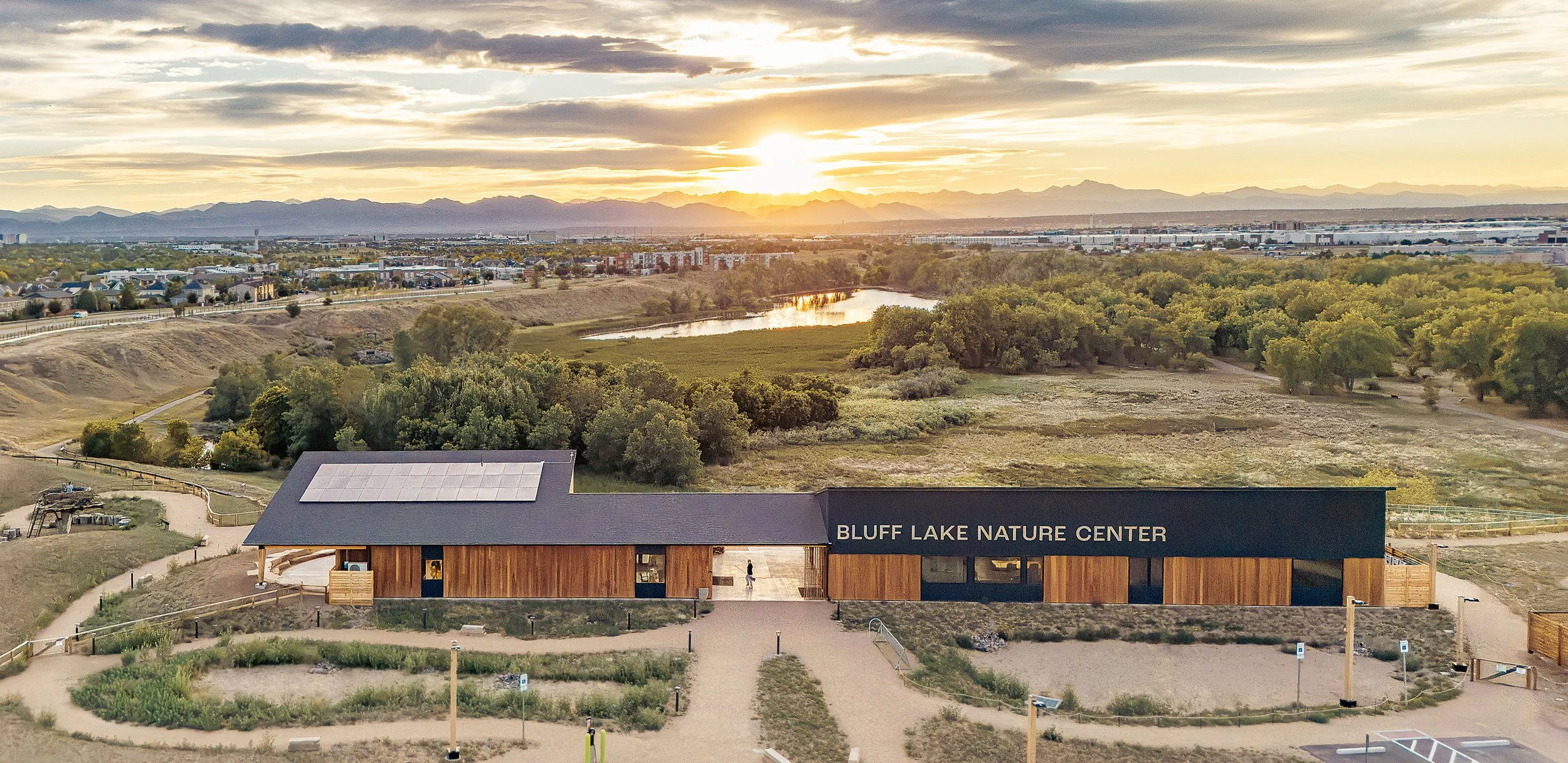
Exterior wood will always interact with its environment. Sunlight, rain, humidity, temperature, and seasonal changes all contribute to the natural weathering process. Thermally modified wood doesn't eliminate those forces—it changes how the material responds to them. Over time, unfinished thermally modified wood can develop a natural silver-gray appearance as it weathers. If maintaining the original color of the wood is desired, a compatible exterior finish with UV protection can be applied and maintained according to the manufacturer's recommendations. Whether left to weather naturally or maintained with a finish, the underlying benefits of thermal modification remain.
Designing With Thermally Modified Wood
Understanding the hydrophobic nature of thermally modified wood helps explain why it has become an increasingly popular choice for demanding exterior applications. From contemporary residential architecture to commercial buildings, parks, hospitality spaces, and public projects, thermally modified wood offers a combination of natural aesthetics and improved performance characteristics. Its reduced affinity for moisture, combined with increased dimensional stability, durability, and the absence of chemical preservatives in the thermal modification process, makes it a compelling material for exterior design.
Thermal modification doesn't make wood stop interacting with water. It changes the relationship.
And that relationship—between wood, water, and the environment—is a big part of what makes thermally modified wood such a high-performance natural material.