

The Sustainable Science Behind Thermally Modified Wood
Wood has long been valued for its natural beauty, versatility, and renewable origins. Thermally modified wood takes those qualities a step further by using a controlled process of heat and steam to transform ordinary lumber into a high-performance, chemical-free material. At Arbor Wood Co., that matters because sustainability is not just about what a product is made from. It is also about how it performs, how long it lasts, and the impact it has over its full life cycle.
How thermal modification works
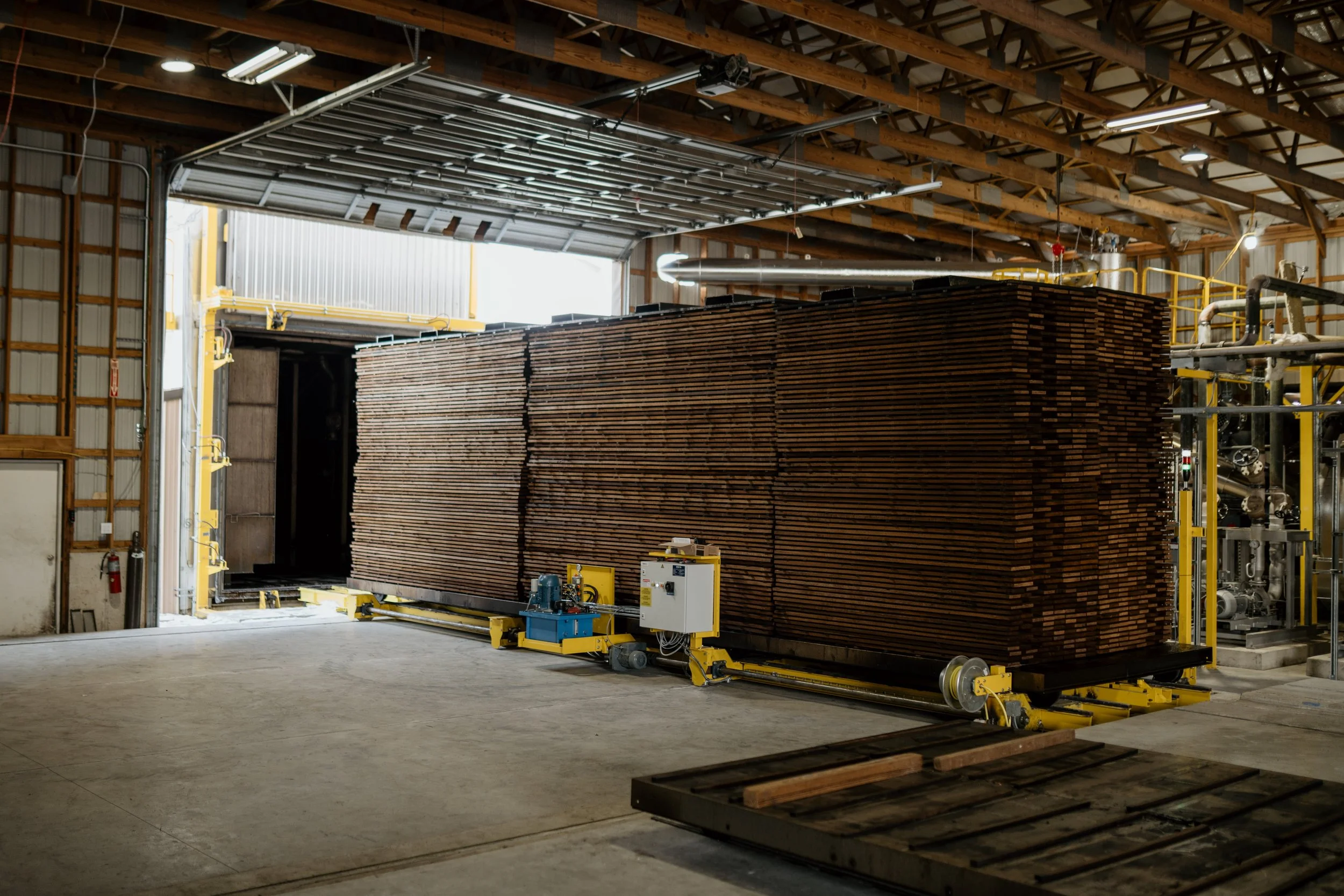
Thermal modification is a specialized process that uses carefully controlled heat in a low-oxygen environment, followed by steam cooling. During this process, the wood’s cellular structure is altered, which reduces its ability to absorb moisture and improves its dimensional stability. That change is important because moisture is one of the main reasons wood moves, swells, cups, or warps over time. By improving the wood at the cellular level, thermal modification helps create a material that is more stable and better suited for demanding interior and exterior applications.
Why performance matters
The benefits of thermal modification show up in the real world. Reduced moisture absorption means the wood is less susceptible to cupping, warping, decay, and fungal attack. It also gives the material a deeper through-color, creating the rich, natural appearance many architects, builders, and homeowners appreciate. Just as important, thermally modified wood delivers those performance gains without relying on chemical preservatives. That makes it an appealing option for projects where durability, material transparency, and environmental responsibility all matter.
A sustainability advantage
One of the most important sustainability benefits of thermally modified wood is that it does not require chemical treatments to perform well. Instead, the process uses only heat and steam to improve the wood’s stability and durability. That durability matters over time. When a product lasts longer, it does not need to be replaced as often, which helps reduce the emissions tied to harvesting, manufacturing, transporting, and installing new material. And because the product is still wood, it continues to store carbon within the material itself, adding another layer to its sustainability story.
Built for lasting beauty
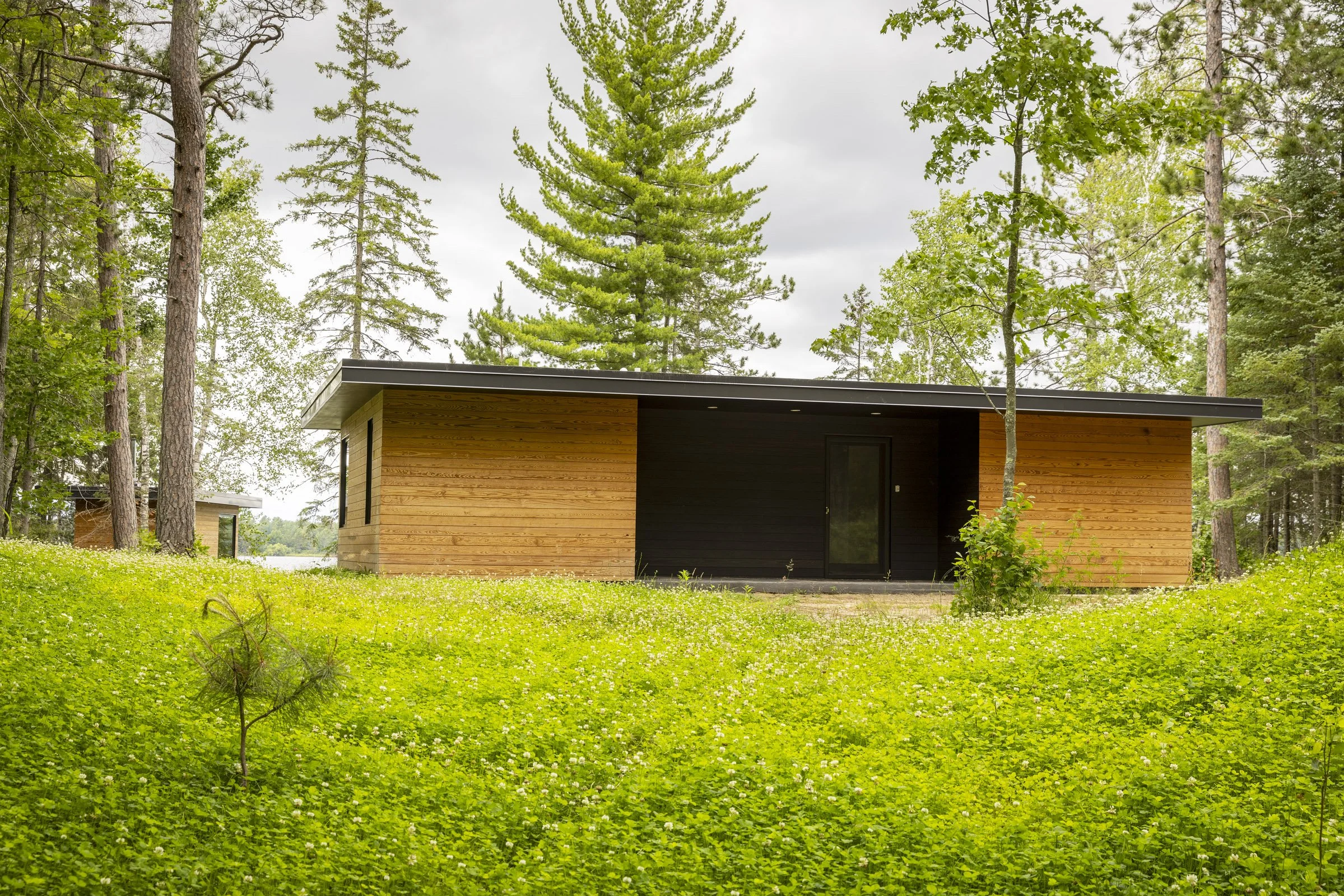
Thermally modified wood combines performance and appearance in a way that feels especially relevant to modern building. The process strengthens the material while also enhancing its natural color, giving the finished product a look that feels both elevated and authentic.
For designers and builders, that means the choice is not between beauty and responsibility. It is possible to have both in one material that is made to perform and designed to last.
Arbor Wood. For Good.
Arbor Wood Co. has built its identity around a simple idea: real wood can be both beautiful and better performing when it is modified the right way. Our chemical-free process uses heat and steam to create a product that supports design goals, sustainability goals, and long-term value. That is what makes thermally modified wood more than just an alternative material. It is a smarter way to build with wood for projects that demand both performance and purpose.
Sustainability is strongest when it is practical. Thermally modified wood delivers that balance by extending service life, reducing the need for replacement, and preserving the natural character of wood in a lower-impact form.