

Why ThermoWood® Is the Future of Sustainable Building Materials
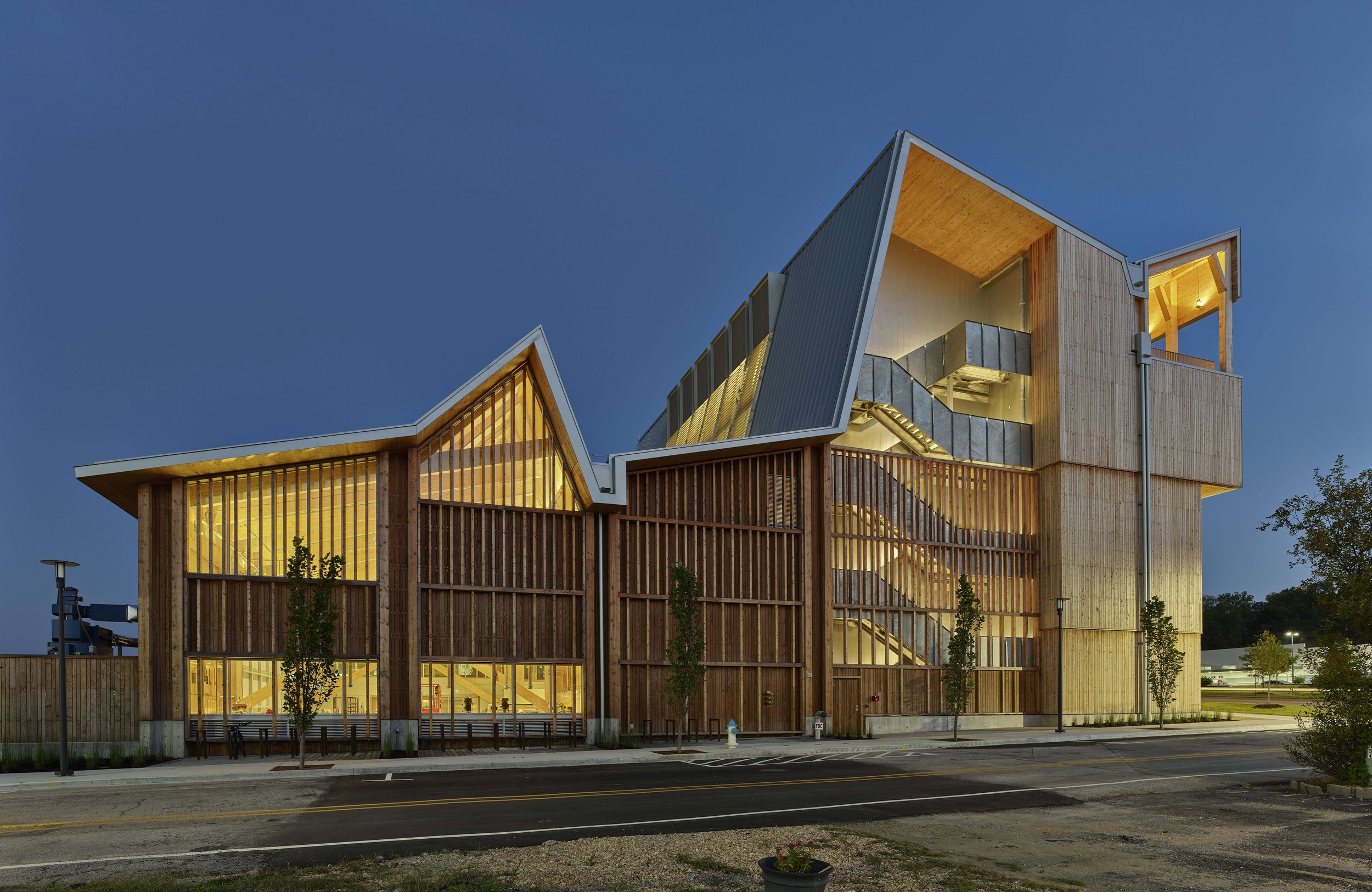
Wood is one of the oldest building materials in the world. And thermally modified wood is one of the newest evolutions of it. As the building industry pushes toward more sustainable, durable, and responsible materials, thermally modified wood has gained traction as an alternative to composites, pressure-treated lumber, and exotic hardwoods. But as interest grows, so does confusion; particularly around terminology.
Not all thermally modified wood is the same. Understanding the difference between ThermoWood® and non-certified thermally modified wood is essential for anyone designing or building for long-term performance.
What Is Thermally Modified Wood?
Thermally modified wood is real wood that has been enhanced using heat and steam in a controlled, oxygen-limited environment. This process permanently changes the wood’s cellular structure, improving resistance to moisture, decay, and insects but without chemical preservatives. Thermal modification improves the inherent properties of wood rather than masking its weaknesses with chemicals.
The result is a material that is:
More dimensionally stable
More durable in exterior applications
Less prone to rot and biological decay
Naturally beautiful, with a consistent tone
However, “thermally modified wood” is a broad category, not a standard. Technologies, methods, temperatures, cook times, conditioning, and quality controls vary widely across producers, which means performance can vary as well.
What Is ThermoWood® and Why Certification Matters
ThermoWood® is a specific, certified thermal modification process developed in Finland, where thermally modified wood originated more than 30 years ago. Products sold as ThermoWood® must be produced by licensed manufacturers who follow defined process parameters and are subject to regular audits.
In practice, this means ThermoWood® offers:
Verified, repeatable production methods
Defined durability and performance classifications
Material traceability and accountability
Consistent results across species and applications
ThermoWood® is thermally modified wood, but not all thermally modified wood meets the ThermoWood® standard. For architects, builders, and homeowners, certification provides confidence that the material will perform as expected over time, not just at installation.
Learn more by visiting the official website of the International ThermoWood® Association: https://www.thermowood.fi/
Thermally Modified Wood vs. Composite Materials
Composite decking and cladding are often positioned as low-maintenance solutions, but they come with tradeoffs that matter in sustainable construction. ThermoWood® offers:
A renewable, natural material rather than plastic-based blends
Lower heat retention, improving comfort in exterior applications
Repairability, allowing boards to be sanded or refinished rather than replaced
End-of-life responsibility, as wood is biodegradable and recyclable
Composites may reduce short-term maintenance, but they introduce long-term environmental costs. Thermally modified wood delivers durability without sacrificing material integrity.
Thermally Modified Wood vs. Exotic Hardwoods
Exotic hardwoods have long been used for their density and decay resistance, but they raise increasing concerns around deforestation, supply volatility, and environmental impact. ThermoWood® offers a different path:
Sourced from responsibly managed forests
Modified to achieve durability comparable to many tropical species
Lighter, more workable, and easier to install
Lower embodied carbon due to regional sourcing and reduced transport distances
Rather than relying on slow-growing or endangered species, ThermoWood® improves abundant, well-managed wood resources.
Building for the Long Term
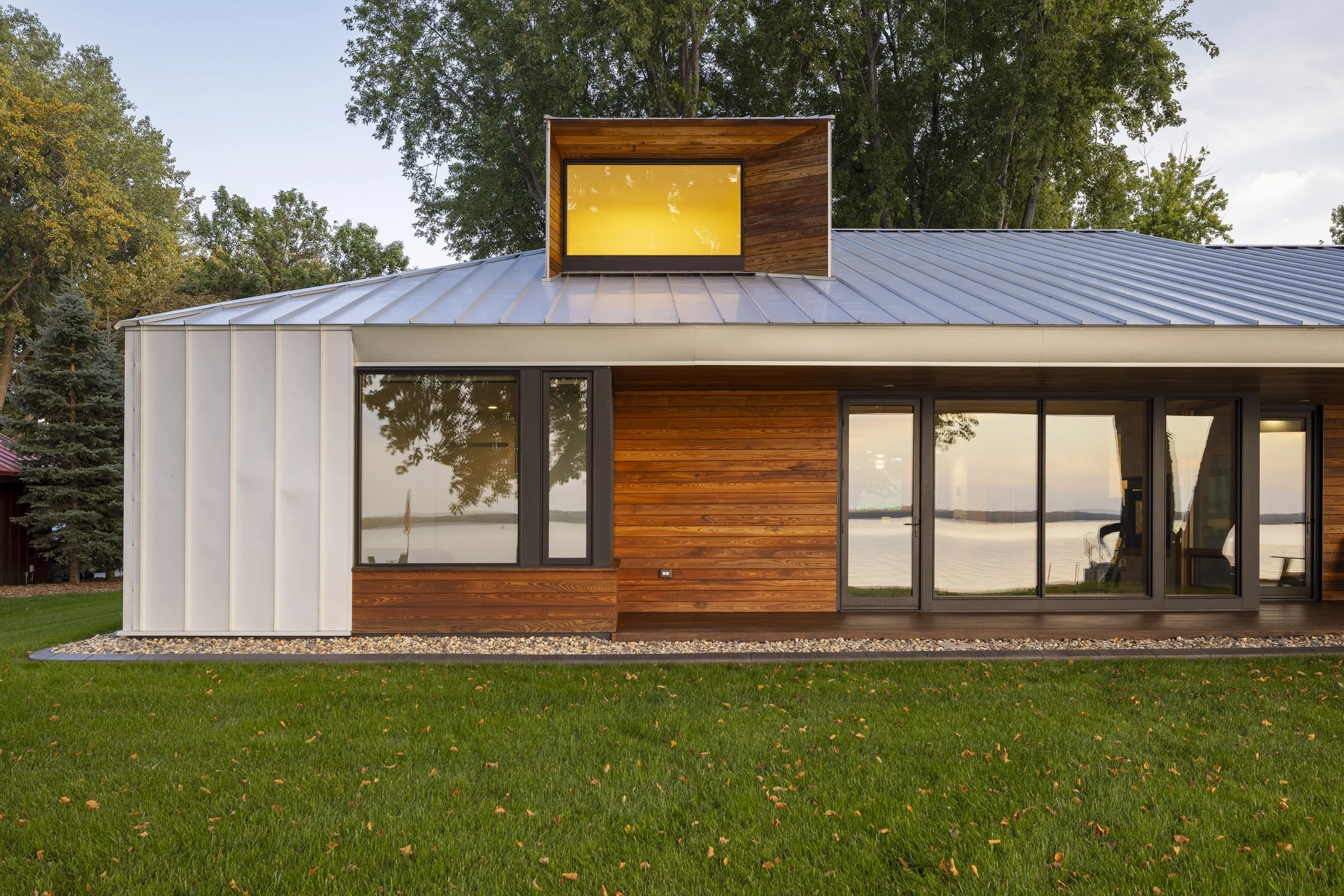
Sustainability isn’t just about material origin; it’s about longevity, performance, and accountability over time. Certified ThermoWood® aligns with how Arbor Wood Co. thinks about building:
Use real materials
Improve them safely and responsibly
Design for durability, not disposability
Rely on proven standards, not vague claims
As expectations for transparency and performance continue to rise, materials backed by clear processes and third-party verification will define the future of building. ThermoWood® represents a meaningful advancement in sustainable construction but how it’s made matters. While the term “thermally modified wood” covers a wide range of products, ThermoWood® stands apart as a certified, standardized system that delivers consistent performance without chemicals or reliance on endangered resources.
For projects where longevity, integrity, and sustainability matter, choosing certified ThermoWood® isn’t about trend-following. It’s about building something that lasts.